Disaster Preparedness in Eastern North Carolina
Our coast faces hurricanes, river and flash flooding, tornadoes, and winter storms. Preparing now keeps your family—and our communities—safe when the next storm arrives.
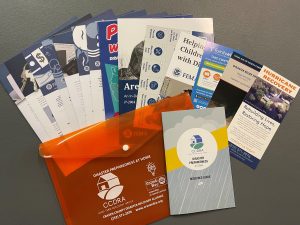
Be prepared for any emergency. Contact us to get one of our free Preparedness Packets. Filled with information and checklists, these packets are created to make preparation easier so that in the event you are affected by a disaster, you have the ability to streamline your recovery following proper preparedness before the storm.
Make a plan today. Your family may not be together when a disaster strikes, so it is important to know how you will contact one another and reconnect if separated. Establish a family meeting place that’s familiar and easy to find. LEARN MORE
Take a copy of important information, such as account numbers and phone numbers of insurance companies. For an easy to use checklist click HERE
One of the most important ways you can prepare is to make sure you are document and insurance ready. Did you know that one of the most common reasons people do not file an insurance claim is because they don't have the deductible, but did you know that most insurance companies do not require you to pay your deductible up front? They will deduct your deductible from your award amount, with no out of pocket for you. For more information about insurance, click HERE
 Home Hurricane Preparedness Timeline
EVACUATION
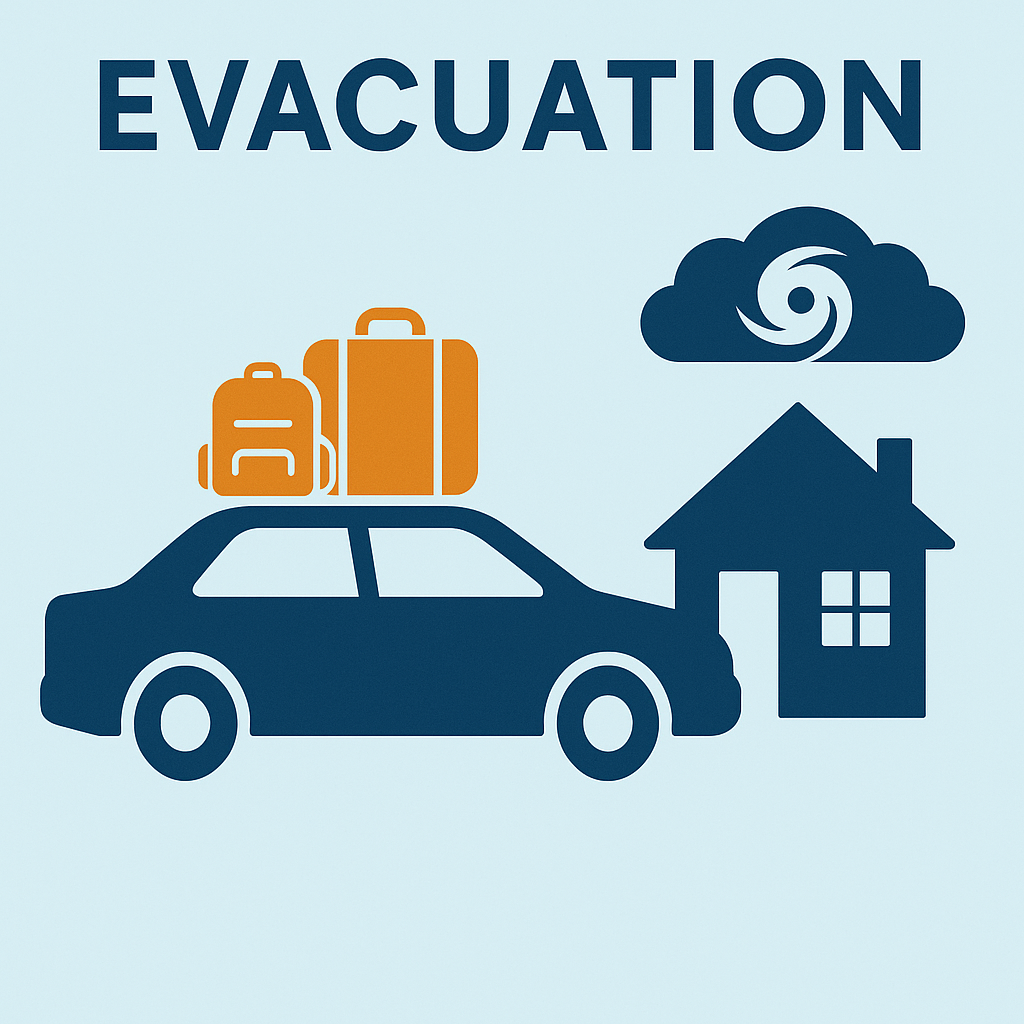
Sometimes the safest option during a hurricane or other disaster is to leave your home before conditions get worse. Evacuation means moving yourself, your family, and your pets to a safer location away from the threat. When officials issue an evacuation order, it’s because danger is likely and staying could put lives at risk. Leaving early gives you the best chance to travel safely before roads are flooded or blocked.
Plan ahead by knowing at least two evacuation routes and where you will go — whether that’s a county shelter, a hotel, or a friend’s home in a safer area. Make sure your vehicle has a full tank of gas, your tires are in good shape, and your emergency kit is packed and ready to load quickly.
Bring your important documents, medications, food and water, clothes, flashlights, chargers, and supplies for children, elderly family members, and pets. Don’t forget leashes, carriers, and vet records if you’re taking animals with you — many shelters require proof of vaccinations.
Before you leave, secure your home as best you can by locking doors and windows, unplugging electronics, and moving outdoor items inside. Take photos of your home and property if possible, so you have documentation of conditions before the storm.
Always follow official evacuation routes and listen to local authorities for updates on road closures and shelter availability. Do not try to drive through floodwaters or take shortcuts. Patience and caution save lives on evacuation routes.
Evacuation is about leaving early, staying safe on the road, and giving your family the best chance to weather the storm in a secure place.
STAY INFORMED
Maintain access to official announcements to help you make the best decisions for you and your family. Purchase a battery/weather radio in case of a power outage. Designate an out-of-state contact who can relay messages between you and other family members in the disaster area in case local phone lines are jammed. Text messages are the best way to communicate.
National Weather Service Newport / Morehead City: Facebook-- HERE ; Twitter--HERE ; YouTube-- HERE ; Website-- HERE
SIGN UP FOR ALERTS AND UPDATES
Craven County Residents: Sign up for Craven County’s CodeRed Emergency Notification System. Also visit ReadyNC.gov to download the mobile app for more information!
Jones County Residents: Sign up for Jones County's CodeRed Emergency Notification System. Also visit ReadyNC.gov to download the mobile app for more information!
SHELTER IN PLACE
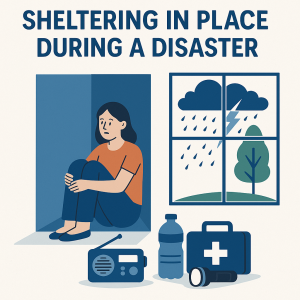 Sometimes the safest option during a hurricane or other disaster is to stay right where you are until conditions improve. Sheltering in place means finding a secure location inside your home and staying there until officials say it is safe to leave or until they can safely get to you. Remember, search and rescue often takes time and if you are unable to leave, or choose to stay, you need to have the proper safeguards in place to be safe until help can come.
Choose an interior room without windows, such as a hallway, closet, or bathroom on the lowest level of your home. Have your emergency kit, flashlights, radio, food, and water close by.
Stay away from windows and glass doors, and never use candles for light—use flashlights or battery-powered lanterns instead. Keep your phone and backup power sources charged, but conserve battery when possible. Always listen to local authorities through reliable sources like NOAA Weather Radio, ReadyNC alerts, or your county’s emergency management updates.
Sheltering in place is about staying safe, informed, and ready until it’s clear the danger has passed.
Pack your EMERGENCY SUPPLY KIT
RESOURCES FOR SENIORS, PETS AND SPECIAL NEEDS
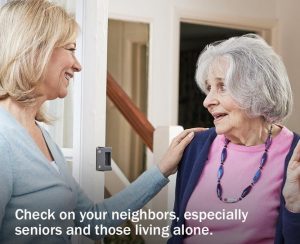
Seniors
Older adults often face unique challenges during disasters. Mobility issues, medical needs, and reliance on caregivers can make it harder to evacuate quickly or shelter safely. If you or a loved one is elderly, it’s especially important to:
- Keep a list of medications, dosages, and doctors in a waterproof bag.
- Prepare extra medical supplies, hearing aids, glasses, or mobility equipment.
- Have a buddy system—check in with neighbors, friends, or family before and after the storm.
- Make sure important documents (insurance papers, IDs, wills) are stored safely and easy to grab.
A little extra planning today helps ensure our seniors remain safe, supported, and connected when disaster strikes.
Be sure to check on your neighbors, especially seniors.
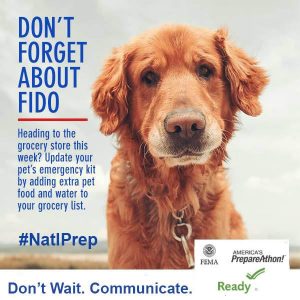
Pets
Our pets are family too, and they need a plan when disaster strikes. It's important to:
- Make sure you have a pet emergency kit with food, water, medications, leashes, and carriers.
- Keep copies of vaccination and medical records in a waterproof bag.
- If you must evacuate, take your pets with you—never leave them behind.
- Identify pet-friendly shelters or hotels ahead of time, and have a recent photo of your pet in case you’re separated.
Planning for your pets today ensures their safety and comfort tomorrow.
Emergency Preparedness Pet Kit
Click HERE to find pet friendly hotels if you have to evacuate
Special Considerations
Disasters can be especially challenging for those with medical, mobility, or cognitive needs. Extra planning helps ensure safety and dignity. If you or someone in your household has special needs, be sure to:
- Create a personalized emergency plan with caregivers and support networks.
- Keep a supply of medications, medical devices, and backup power sources if needed.
- Store important documents—care instructions, doctor contacts, and insurance—in a waterproof bag.
- Identify accessible shelters or safe locations ahead of time and know how to get there.
With thoughtful preparation, families and caregivers can help protect the most vulnerable during an emergency.

Individuals with disabilities or special needs often need additional support and resources to properly prepare. Your ability to recover from an emergency tomorrow may depend on the planning and preparation you do today. LEARN MORE
The Special Needs Registry is a database of information about individuals in Craven County with special needs who may require assistance in the event of a disaster.
Special Needs Registry - Craven County DSS
Must Know About...
Understanding Hurricanes
-
-
Categories Don’t Tell the Whole Story
-
The Saffir–Simpson scale (Category 1–5) only measures wind speed.
-
Flooding and storm surge — not just wind — cause the most damage and deaths.
-
-
Size Matters, Not Just Strength
-
A large, slow-moving tropical storm can cause more flooding than a small Category 3 hurricane.
-
-
Storm Surge Is the Deadliest Threat
-
This is the rise in ocean water pushed inland by the storm’s winds. Just a few feet of surge can flood homes and cut off evacuation routes.
-
-
Rainfall Can Be Catastrophic
-
Hurricanes can dump more than 20 inches of rain, leading to inland flooding far from the coast.
-
-
Every Storm Is Different
-
Never compare storms (“It’s only a Cat 1, we stayed last time”). Track each system on its own — impacts vary by size, speed, and path.
-
-
Cone of Uncertainty ≠ Impact Area
-
The forecast cone shows where the center might go, not where impacts will happen. Dangerous weather can extend hundreds of miles outside the cone.
-
-
Storms Can Change Quickly
-
Hurricanes can intensify or shift paths in less than a day. Don’t wait until the last minute to act.
-
-
Inland Areas Are Not Safe by Default
-
Rivers can flood, trees can fall, and power can be out for weeks — even far from the coast.
-
-
Hurricane Season Is Long
-
Runs June 1 – Nov 30, with peak activity in August, September, and October.
-
-
Recovery Takes Time
-
Even after the storm passes, it can take weeks or months to restore power, water, and safe housing.
-
FEMA
-
FEMA Does Not Replace Insurance
-
FEMA assistance is designed to help you get back on your feet, not make you whole.
-
Most FEMA grants are limited and will not cover all damages.
-
-
Assistance Is Not Automatic
-
You must apply for FEMA assistance, either online, by phone, or in person at a Disaster Recovery Center.
-
Registration deadlines are strict — usually 60 days after the disaster declaration.
-
-
FEMA Assistance Is Limited
-
Grants may cover temporary housing, basic home repairs, or essential personal property (like a bed or refrigerator).
-
FEMA will not pay to return your home or belongings to their pre-disaster condition.
-
-
Loans May Come Through SBA
-
Even if you don’t own a business, you may be referred to the Small Business Administration (SBA) for a low-interest disaster loan.
-
Homeowners and renters may be eligible for these loans, which often cover repairs FEMA doesn’t.
-
-
FEMA Is the Payer of Last Resort
-
Insurance and other resources must be used first. FEMA will not duplicate benefits.
-
If insurance denies or partially covers your claim, FEMA may step in to help with unmet needs.
-
-
Documentation Is Critical
-
Keep copies of insurance letters, utility bills, ID, proof of occupancy/ownership, and receipts.
-
FEMA may deny your claim if you cannot prove where you live or what was damaged.
-
-
Appeals Are Allowed
-
If denied, you can appeal within 60 days. Many denials are overturned when applicants provide additional documents.
-
-
Renters Can Get Help Too
-
Renters may receive assistance for personal property losses and temporary housing, not just homeowners.
-
-
FEMA Assistance Is Tax-Free
-
Grants you receive are not taxable income and do not need to be repaid.
-
-
Scams Are Common
-
FEMA will not ask for money upfront. Verify identities and report fraud to FEMA or local authorities.
Insurance
-
Document Everything Immediately
-
Take photos and videos of all damages before making any repairs or cleaning up.
-
Capture wide shots of rooms plus close-ups of damaged items.
-
-
Save Receipts
-
Keep receipts for temporary repairs (tarps, plywood, etc.), hotels, meals, or other emergency expenses — many may be reimbursable.
-
-
File Quickly, But Thoroughly
-
Contact your insurance company as soon as it’s safe.
-
The sooner you file, the faster you get in the queue for adjusters.
-
-
Know Your Policy
-
Understand your deductibles, coverage limits, and exclusions (flood damage is not covered by standard homeowners insurance).
-
Ask your agent to explain gray areas before signing off.
-
-
Do Temporary Repairs, Not Full Repairs
-
Prevent further damage (cover roof holes, shut off water, etc.) but don’t start full reconstruction until the adjuster inspects.
-
Insurance may deny claims if they can’t see original damage.
-
-
Create a Home Inventory
-
If you didn’t have one before, start now by listing damaged items, approximate cost, and purchase dates.
-
Old photos, receipts, and even bank/credit card statements can help prove value.
-
-
Be Present During the Adjuster Visit
-
Walk with them, point out all damages, and don’t be afraid to ask questions.
-
Keep your own notes of what was inspected.
-
-
Don’t Accept the First Offer If It’s Too Low
-
You have the right to request a re-inspection or provide additional proof.
-
You can also hire a public adjuster or contractor for a second opinion.
-
-
Watch for Deadlines
-
Some policies have strict timelines for filing supplemental claims or appeals.
-
Stay on top of paperwork and keep copies of everything submitted.
-
-
Flood Damage Is Separate
-
Claims for flood insurance (NFIP) must be filed within 60 days of the flood event.
-
The process and adjusters may be completely separate from your homeowners insurance.
Disaster Mental Health
-
Stress After a Disaster Is Normal
-
It’s common to feel overwhelmed, anxious, sad, or even guilty. These are natural reactions to a difficult event.
-
-
Everyone Copes Differently
-
Some people want to talk right away, others may need time. Children, seniors, and people with disabilities may show stress in different ways.
-
-
Take Care of Basic Needs First
-
Eating regularly, drinking water, resting when possible, and moving your body all help your mind recover.
-
-
Avoid Isolation
-
Connect with friends, neighbors, faith groups, or support teams. Recovery is easier when you don’t go through it alone.
-
-
Limit Doom-Scrolling
-
Too much disaster coverage can increase stress. Stay informed, but take breaks from the news and social media.
-
-
Children Need Extra Support
-
Kids may act out, regress, or become clingy. Be patient, keep routines, and explain things in ways they can understand.
-
-
Help Others, But Set Boundaries
-
Volunteering or helping neighbors can boost your own recovery — just make sure you don’t burn yourself out.
-
-
Look for Warning Signs
-
If sadness, anger, or anxiety makes it hard to function day-to-day, or if you or someone you love feels hopeless or thinks about self-harm, seek help immediately.
-
-
Resources Are Available
-
Disaster Distress Helpline: 1-800-985-5990 (24/7, confidential)
-
NC 211 for local resources
-
Faith leaders, counselors, and community health centers can also connect you to support.
-
-
Healing Takes Time
-
Just like rebuilding homes, emotional recovery doesn’t happen overnight. Be patient with yourself and others.
Disaster Recovery
-
Recovery Takes Time
-
Large-scale disasters often take years to recover from — not weeks or months. Progress can feel slow, but each step forward matters.
-
-
Response vs. Recovery
-
First comes response (rescue, shelters, supplies). Recovery is what follows — rebuilding homes, restoring services, and healing communities.
-
-
FEMA Is Only the Beginning
-
Federal aid usually covers only basic needs. Full recovery depends on local nonprofits, faith-based groups, and community organizations.
-
-
Documentation Is Critical
-
Save all receipts, take photos of damage, and keep important paperwork organized. This helps with insurance, FEMA, and nonprofit assistance.
-
-
Beware of Scams
-
Only work with licensed contractors and verified organizations. If it sounds too good to be true, it probably is.
-
-
Insurance & Grants Don’t Cover Everything
-
Most survivors will need a mix of insurance, FEMA, SBA loans, nonprofits, and volunteer help. Very few get everything covered by one source.
-
-
Recovery Is Unequal Without Support
-
Seniors, people with disabilities, renters, and families with low income often face bigger barriers. That’s why community partnerships matter.
-
-
Volunteers Are Key
-
Much of the rebuilding is done by volunteer groups. Housing those volunteers and supplying them is as important as materials.
-
-
Mental Health Is Part of Recovery
-
Rebuilding homes also means caring for emotional well-being. Stress, grief, and burnout are common — help is available.
-
-
Neighbors Helping Neighbors
-
Long-term recovery depends on local people. National groups may leave, but local organizations and residents keep the work going until every family is safe.
Financials
-
Cash Is King
-
ATMs and card systems may be down after a storm. Keep small bills on hand for fuel, food, and supplies.
-
-
Track Every Expense
-
Save receipts for hotels, meals, supplies, repairs, and gas — many may qualify for reimbursement through insurance, FEMA, or taxes.
-
-
Disaster Unemployment Is Available
-
If you lose work because of the disaster, you may qualify for Disaster Unemployment Assistance (DUA), even if you’re self-employed.
-
-
Talk to Creditors Early
-
Many banks, lenders, and utility companies offer hardship programs, deferred payments, or waived late fees if you notify them promptly that you or your employer were impacted by a disaster.
-
-
Watch for Scams
-
Never pay contractors in full upfront. FEMA will never charge you money to apply. Use only trusted organizations and verified resources.
-
-
If You Have Insurance, File a Claim
-
Most insurance companies do not require you to pay a deductible out of pocket, it often comes off the top of your award check. Do not let this stop you from filing a claim. Talk to your insurance company to see what the process is.
-
-
FEMA/SBA Aid Is Not a Blank Check
-
FEMA grants are limited, and SBA loans must be repaid. Don’t overextend yourself — budget carefully for recovery.
-
-
Check Your Mail & Bank Often
-
FEMA, Insurance or other assistance organizations may send checks or letters with deadlines. Missing a deadline could mean losing assistance. Be sure to check your email often, including junk mail.
-
-
Tax Relief May Apply
-
Disaster losses not covered by insurance or FEMA can sometimes be deducted on your federal taxes. Keep records and ask a tax preparer about disaster relief provisions.
-
-
Recovery Takes Long-Term Planning
-
Pace yourself financially. It may take months or years to fully rebuild, so avoid burning through savings or maxing out credit cards too quickly.
Helping Children Cope
-
Children Feel Stress Differently
-
Kids may show stress through clinginess, irritability, stomachaches, bedwetting, or acting younger than their age. These are normal responses.
-
-
Keep Routines When Possible
-
Regular meal times, bedtimes, and family rituals help children feel safe, even when the world around them feels uncertain.
-
-
Talk Honestly, But Calmly
-
Use age-appropriate language. Answer questions simply, and reassure them adults are working to keep them safe. Avoid scary details.
-
-
Let Them Help
-
Giving children small jobs (packing their toys, helping a sibling, checking the flashlight batteries) builds confidence and reduces fear.
-
-
Be Patient With Behavior Changes
-
Emotional ups and downs are common. Extra comfort, understanding, and time will help them recover.
-
-
Model Calm and Confidence
-
Children look to adults for cues. Staying calm (even when stressed) helps them feel secure.
-
-
Limit Media Exposure
-
Repeated images of disasters can increase fear and trauma. Turn off constant news coverage when children are present.
-
-
Create a Comfort Kit
-
Pack familiar items like a favorite blanket, stuffed animal, books, or games. Familiar comforts go a long way in shelters or during evacuations.
-
-
Encourage Expression
-
Let kids draw, write, or play out their feelings. These activities help them process emotions they can’t explain in words.
-
-
Seek Extra Support If Needed
-
If children show ongoing sleep problems, withdrawal, or fear that doesn’t improve, reach out to a school counselor, pediatrician, or mental health professional.
✨ Myths vs. Truths: Get Prepared, Stay Safe ✨
Think you know disaster preparedness? Don’t let common myths put your family at risk.
👉 Click each myth to reveal the truth—and be ready when it matters most.
✅ Truth: Flooding happens almost everywhere. More than 20% of flood claims come from properties outside of “high-risk” zones. In addition to Hurricanes, flooding can also be caused by new construction, water main breaks, dam and levy breaches, wild fire, heavy rainfall, and a number of other items that will not be covered by your home owners insurance.